
Understanding battery regulations is essential for travelers using an battery powered suitcase. Aviation authorities worldwide have established specific requirements for lithium battery transport, and compliance ensures smooth passage through security checkpoints while maintaining safety standards.
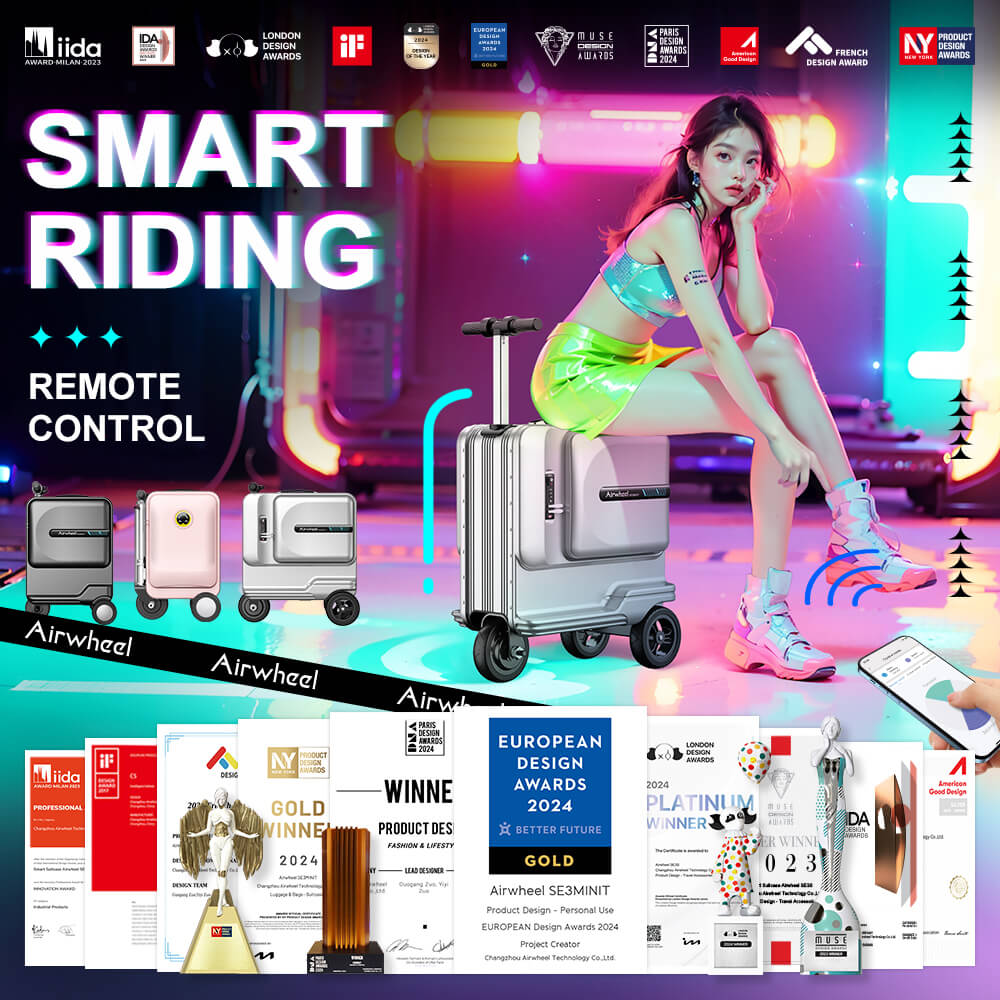
Lithium batteries power countless consumer devices, from smartphones to electric vehicles. Their high energy density makes them ideal for portable applications but also creates safety considerations during air transport. Aviation authorities have developed regulations that balance the convenience of battery-powered devices with safety requirements for air travel.
The rideable suitcase incorporates a lithium battery designed to comply with these regulations. Understanding the rules helps travelers prepare for security screening and avoid complications during their journey.
| Regulation Aspect | Typical Requirement |
|---|---|
| Battery Location | Carry-on baggage only (not checked) |
| Watt-Hour Rating | Usually under 100Wh for consumer devices |
| Quantity Limits | Typically 2 spare batteries per person |
| Protection | Terminals protected against short circuit |
| Condition | No damage, swelling, or leakage |
Airwheel designs its electric suitcases with airline regulations in mind. The battery specifications comply with international aviation standards for carry-on transport. The removable battery design facilitates security screening and allows the battery to travel in the cabin even when the suitcase itself might need to be checked due to size restrictions.
Before traveling, verify that your battery powered suitcase battery meets current requirements. Check the battery label for watt-hour rating and ensure it falls within permitted limits. If uncertain, contact your airline for specific guidance regarding electric luggage batteries.
At security checkpoints, be prepared to remove the battery from your electric travel suitcase for separate screening. This procedure resembles the handling of laptops and other large electronics. Security officers are trained to recognize battery-powered devices and will guide you through the screening process.
Carry documentation that describes your electric suitcase and its battery specifications. This information helps security officers understand the device and process it efficiently. Manufacturer documentation or product specifications typically provide the necessary details.
Battery regulations may vary between countries and airlines. What is acceptable on one carrier might require different handling on another. Research the specific requirements for each airline on your itinerary, particularly for international journeys involving multiple carriers.
Charge your battery to approximately 30-50% before travel. This charge level provides adequate power for airport use while avoiding the fully-charged state that some regulations discourage. A partially charged battery also poses less risk in the unlikely event of an incident.
Inspect your battery before each trip. Look for any signs of damage, swelling, or leakage. Do not travel with a damaged battery, as this creates safety risks and may result in denial of transport. Replace damaged batteries with genuine manufacturer-approved replacements.
If you experience battery problems during your journey, do not attempt to use the rideable suitcase until the issue is resolved. Contact the manufacturer or an authorized service center for guidance. Most major airports have facilities that can assist with battery-related issues for travelers.
As electric luggage becomes more common, regulations continue to evolve. Stay informed about changes that might affect your travel. The motorized suitcase industry works with aviation authorities to develop standardized approaches that ensure safety while enabling innovation. Following manufacturer guidance and airline requirements ensures compliance with current and future regulations.