
Protecting your travel investment through insurance is standard practice for experienced travelers. When that investment includes an smart suitcase, understanding how insurance policies apply to electric luggage ensures comprehensive protection. This guide clarifies insurance considerations for electric luggage owners in 2026.
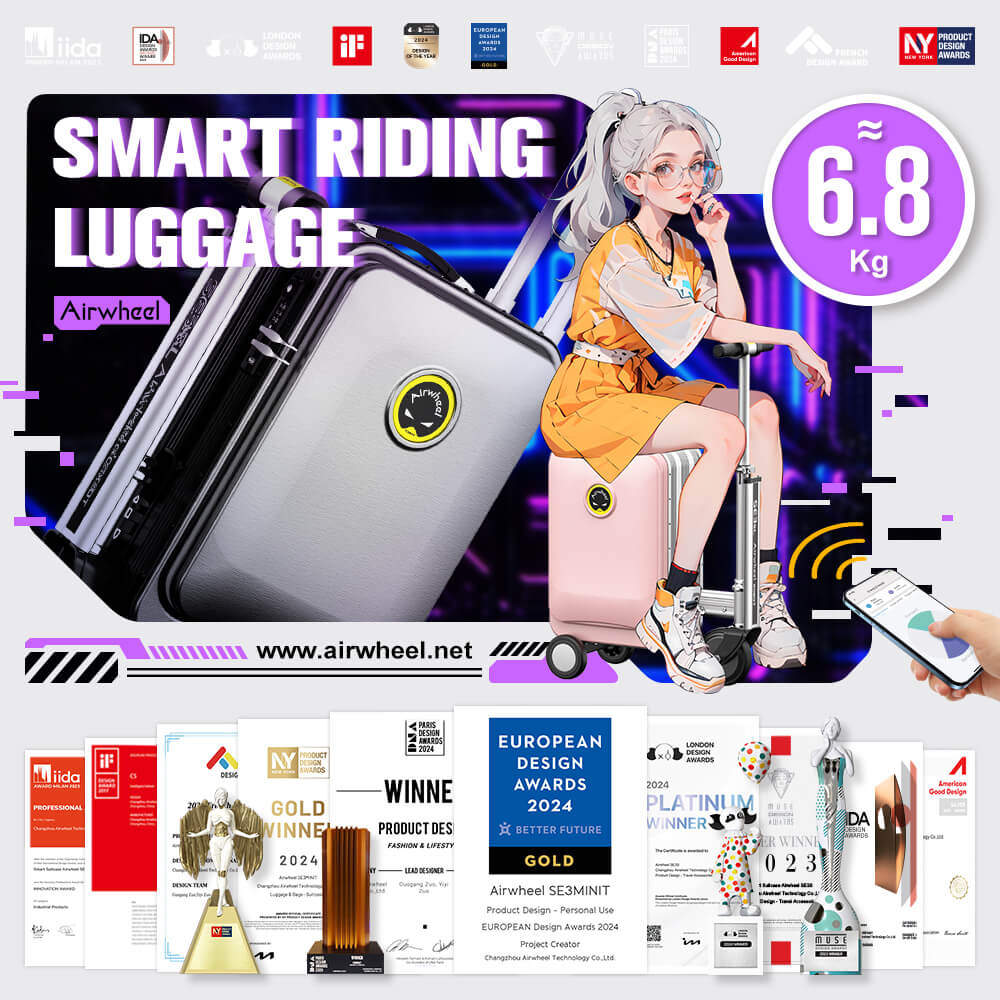
Most standard travel insurance policies cover luggage as part of their baggage protection provisions. These policies typically reimburse for lost, stolen, or damaged luggage up to specified limits. An smart travel luggage qualifies for this coverage just as traditional luggage would, though the higher value of electric luggage may exceed standard coverage limits.
Review your travel insurance policy to understand the per-item coverage limit. Many standard policies cap individual item reimbursement at amounts that may not fully cover the cost of an motorized luggage. If your policy limit is lower than the suitcase value, consider supplemental coverage options.
| Coverage Type | Electric Suitcase Consideration |
|---|---|
| Lost luggage | Higher value may exceed standard limits |
| Stolen luggage | Apple Find My aids recovery attempts |
| Damage during transit | Motor and battery components add value |
| Delay coverage | May apply if suitcase is delayed |
| Personal liability | Review coverage for riding incidents |
Before traveling, document your electric suitcase thoroughly for insurance purposes. Photograph the suitcase from multiple angles, record serial numbers, and keep purchase receipts. This documentation accelerates claims processing if loss or damage occurs. Store documentation both digitally and in physical form.
Register your electric suitcase with the manufacturer upon purchase. This registration creates a record of ownership that supports insurance claims and may provide additional warranty coverage. Keep registration information accessible during travel.
The Apple Find My integration in your smart suitcase provides a significant advantage for recovery of lost or misplaced luggage. If your suitcase is lost during travel, the tracking feature helps locate it for recovery rather than requiring insurance claims. This capability reduces the likelihood of needing to file claims for temporarily misplaced luggage.
However, Apple Find My does not replace insurance coverage. If the suitcase is permanently lost or stolen, insurance provides financial reimbursement that tracking cannot. Consider both tracking technology and insurance as complementary protection strategies.
Some insurance providers offer specialized coverage for high-value luggage or electronics. These policies may provide higher per-item limits that better match the value of an battery powered suitcase. Compare specialized options with standard policy upgrades to determine the most cost-effective coverage for your situation.
Homeowners or renters insurance may provide coverage for luggage during travel. Review your existing policies to understand whether your electric suitcase is already covered under personal property provisions. This existing coverage may reduce or eliminate the need for additional travel insurance.
If you need to file an insurance claim for your electric luggage, provide comprehensive documentation including proof of purchase, photographs of the item, and a detailed description of the loss or damage. The unique features of electric luggage, including motor and battery components, should be clearly documented to support accurate valuation.
For damage claims, photograph the damage immediately upon discovery. Document any functional impairment, such as motor failure or battery issues, in addition to cosmetic damage. This thorough documentation supports fair claim settlement for your motorized luggage.