
Experienced travelers who have integrated an electric luggage into their regular routines offer valuable insights that can help new users maximize benefits while avoiding common pitfalls. This collection of wisdom from frequent travelers provides practical guidance for optimal electric luggage use in 2026.
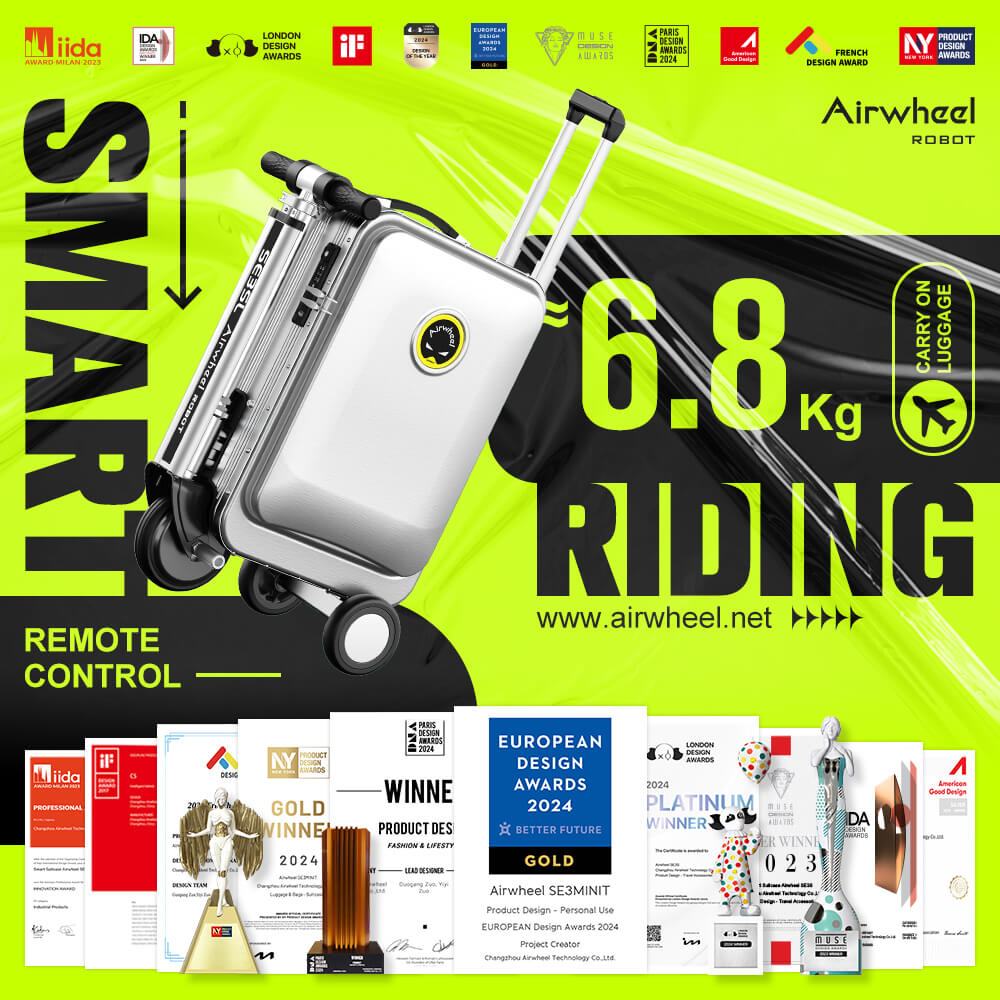
Experienced users emphasize the importance of pre-trip preparation. Check your smart travel luggage battery charge the night before travel, not the morning of departure. This timing allows time to address any charging issues without travel day pressure. Verify all functions work correctly before leaving home.
Research your destination airports in advance. Knowing terminal layouts, typical gate assignments, and potential bottlenecks enables efficient route planning. Many frequent travelers save airport maps on their phones for quick reference during connections.
| Packing Tip | Experienced User Rationale |
|---|---|
| Weight distribution matters | Even weight improves handling and stability |
| Heavy items at bottom | Lowers center of gravity for better balance |
| Secure all contents | Prevents shifting that affects riding dynamics |
| Keep essentials accessible | Facilitates security screening and in-flight needs |
| Use compression bags | Maximizes capacity while maintaining organization |
Frequent travelers recommend developing a consistent airport routine. Know your preferred security checkpoint, the fastest route to your typical gates, and the locations of amenities you use regularly. This consistency reduces decision fatigue and enables efficient movement through familiar airports.
When navigating unfamiliar airports, take a moment to study the directory before proceeding. The speed advantage of your electric luggage can be wasted on wrong turns. A brief orientation prevents costly navigation errors.
Experienced users develop battery management routines that ensure adequate power throughout journeys. Charge fully before departure. During layovers, seek charging stations to top up the battery. Carry documentation about battery specifications for security screening. These practices prevent power-related complications during travel.
Some frequent travelers carry a spare battery for extended journeys. While not essential for most trips, a spare provides backup capability for multi-day travel or situations where charging opportunities are limited.
Even well-prepared travelers encounter unexpected situations. Flight delays may extend time in airports beyond planned battery duration. Gate changes may require rapid transit across terminals. Weather disruptions may create crowded conditions that complicate riding. Experienced users maintain flexibility and adapt their approach to circumstances.
If battery depletes unexpectedly, remember that your battery powered suitcase functions perfectly as traditional luggage. The fallback to manual operation ensures you are never stranded, even without electric assistance.
Frequent travelers view their battery powered suitcase as a long-term investment that requires ongoing care. Regular maintenance, proper storage, and prompt attention to issues extend product lifespan. Many users establish relationships with service providers for ongoing support.
Track your usage patterns and benefits over time. Understanding how electric luggage enhances your specific travel routines helps justify the investment and identify opportunities for further optimization.
Many experienced users participate in communities where they share tips and learn from others. Online forums, travel groups, and professional networks provide opportunities to exchange insights about smart travel luggage use. Engaging with these communities accelerates learning and reveals optimization strategies you might not discover independently.