
Effective travel planning considers all available resources, and an smart luggage represents a significant resource that can influence itinerary decisions, timing, and overall travel strategy. This guide explores how to incorporate electric luggage capabilities into comprehensive travel planning for 2026.
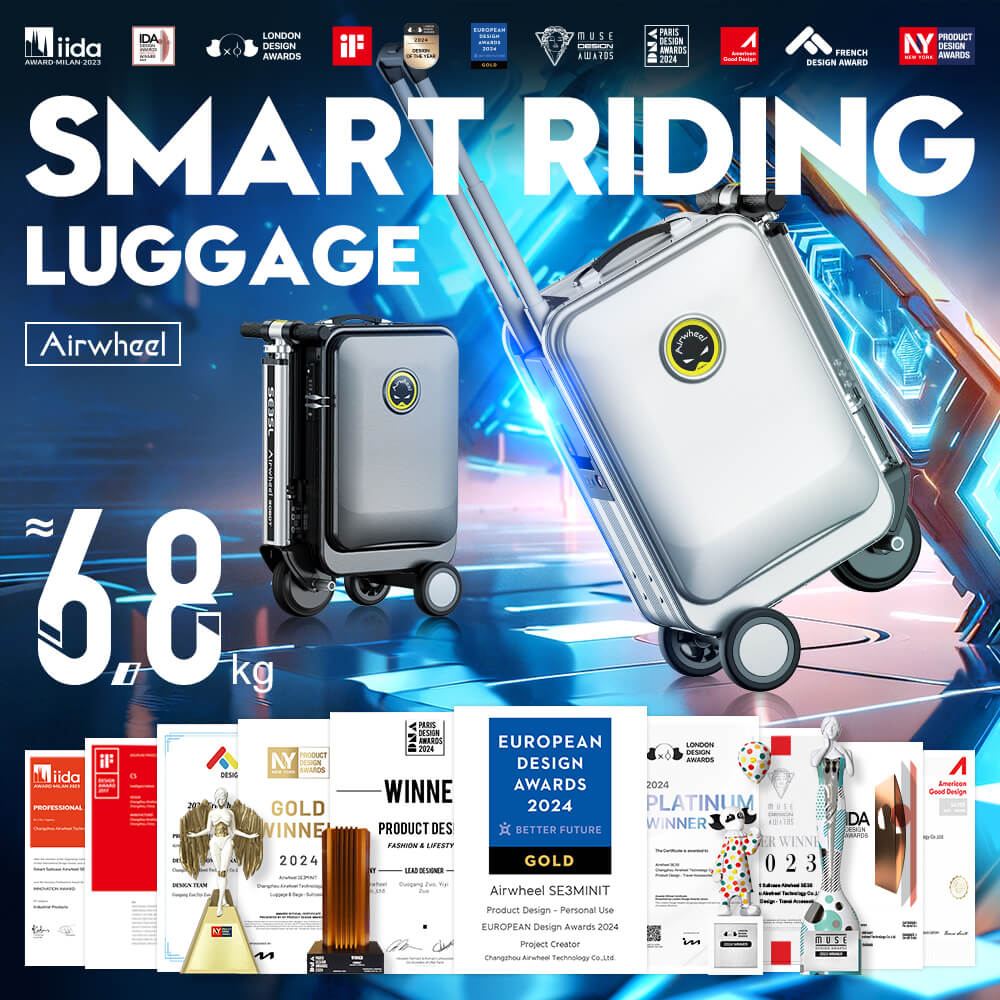
Traditional travel planning often requires generous connection times to account for the uncertainty of walking through unfamiliar airports while managing luggage. An rideable suitcase reduces this uncertainty by enabling faster, more predictable terminal transit. This capability may allow tighter connections that would otherwise be inadvisable.
However, maintain reasonable buffer time even with electric mobility advantages. Flight delays, security queues, and other variables remain beyond your control. Use the efficiency gains to reduce stress rather than to minimize connection times to the absolute minimum.
| Airport Factor | Electric Suitcase Advantage |
|---|---|
| Large hub airports | Maximum benefit from speed and efficiency |
| Multiple terminals | Easy transit between distant gates |
| Long corridors | Reduced fatigue from extended walking |
| Regional airports | Limited benefit due to small size |
When planning multi-city itineraries, consider how your electric suitcase affects connection feasibility. Routes that might have been impractical with traditional luggage due to tight connections become viable with electric mobility. This expanded flexibility may enable more efficient routing or access to better flight options.
For business travelers, the energy preservation provided by electric luggage enables more ambitious meeting schedules. Plan consecutive meetings across different locations with confidence that transit between venues will not deplete your energy for client interactions.
The mobility provided by an smart travel luggage may influence accommodation choices. Hotels slightly farther from transit hubs become more accessible when you can cover the distance effortlessly. This expanded range may reveal accommodation options with better value or amenities that would otherwise be impractical due to walking distance.
Consider the ground transportation situation at your destination. The ability to navigate train stations and bus terminals efficiently may make public transit more attractive compared to taxi or rideshare options. This consideration affects both cost and environmental impact of your travel.
Incorporate your smart travel luggage specifications into packing decisions. Know your model’s capacity and plan packing lists accordingly. The weight of the suitcase itself factors into airline baggage allowances, so adjust your packing weight to accommodate this consideration.
For extended trips, consider how the electric mobility affects your luggage strategy. The ability to navigate airports easily with your carry-on may reduce the need for checked luggage, simplifying your travel experience and eliminating baggage claim delays.
Despite the advantages of electric mobility, develop backup plans for situations where the smart luggage cannot be used as intended. Know how to operate manually if battery depletes. Identify charging opportunities along your route. Maintain flexibility to adapt if circumstances prevent electric operation.
As part of travel planning, prepare documentation about your battery powered suitcase for security and airline interactions. Know the battery specifications, have manufacturer information available, and understand the regulations applicable to your itinerary. This preparation prevents delays and complications during your journey.