
Sharing the benefits of an motorized luggage with family members enhances everyone’s travel experience. This comprehensive guide provides a structured approach to teaching family members of all ages how to safely and confidently operate electric luggage during your 2026 travels.
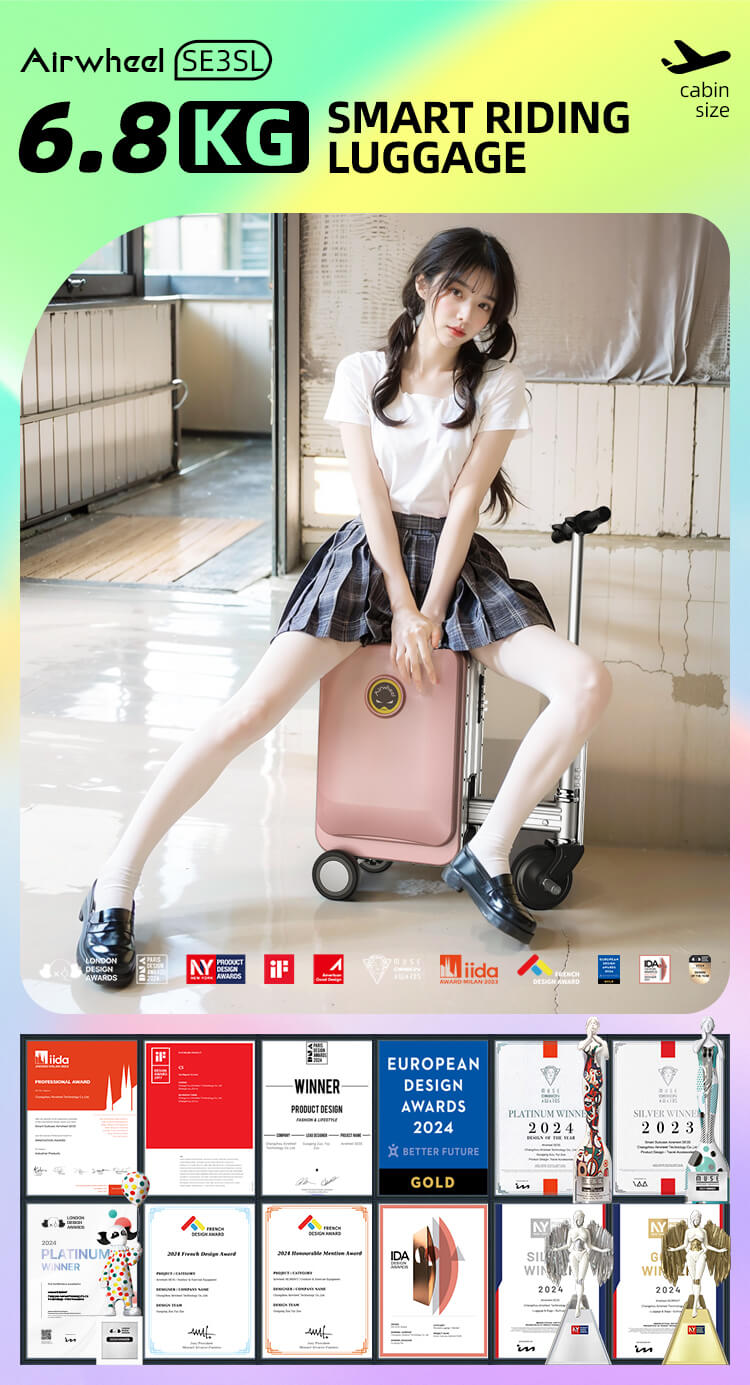
Before introducing family members to the smart travel luggage, ensure the device is in optimal condition. Charge the battery fully, verify all controls function correctly, and inspect for any maintenance issues. A well-functioning device provides the best learning experience and builds confidence in new users.
Choose an appropriate training location. An open, flat area free from obstacles and traffic allows focused practice without distractions. Parking lots during quiet hours, empty hallways, or spacious backyards work well. Avoid attempting initial training in busy airports where pressure and distractions complicate learning.
| Step | Activity | Duration |
|---|---|---|
| 1 | Explain components and controls | 5-10 minutes |
| 2 | Demonstrate mounting and dismounting | 5 minutes |
| 3 | Practice stationary balance | 5-10 minutes |
| 4 | Slow-speed forward movement | 10-15 minutes |
| 5 | Turning and steering practice | 10-15 minutes |
| 6 | Speed variation and stopping | 10 minutes |
| 7 | Obstacle navigation | 10-15 minutes |
Young people typically learn quickly but may lack judgment about appropriate use. Emphasize safety rules before allowing practice. Ensure children meet weight requirements for the specific smart travel luggage model. Supervise all practice sessions and establish clear rules about when and where riding is permitted.
Adults generally possess the judgment to operate safely but may feel apprehensive about new technology. Address concerns directly and provide reassurance. Allow practice at their own pace without pressure. Most adults become comfortable within 15-30 minutes of focused practice.
Seniors may need additional time and patience during learning. Focus on stability and confidence rather than speed. Consider starting with the electric suitcase in manual mode to build familiarity before introducing electric operation. Provide ongoing support and encouragement throughout the learning process.
Establish clear safety guidelines for all family members. Never operate the rideable suitcase on stairs, escalators, or moving walkways. Reduce speed in crowded areas. Always dismount before entering aircraft or other confined spaces. Keep hands on the handlebar during operation. Stop completely before dismounting.
Create a family agreement about when electric operation is appropriate versus when manual pulling is preferred. Different situations call for different approaches, and family members should understand these distinctions.
After initial training, provide opportunities for practice in varied conditions. Short trips to local destinations allow skill development without travel pressure. Gradually introduce more complex scenarios as confidence builds. The goal is to develop automatic competence that requires no conscious thought during actual travel.
Some family members may struggle with specific aspects of smart luggage operation. Balance concerns can be addressed through additional stationary practice. Turning difficulties may improve with slower approach speeds. Anxiety about speed can be addressed by practicing at lower speeds until comfort increases. Patience and encouragement help overcome most learning obstacles.