
The smart luggage market continues to evolve rapidly, with technological advances and changing consumer expectations driving innovation. This forward-looking analysis explores trends and predictions that will shape the future of electric luggage beyond 2026.
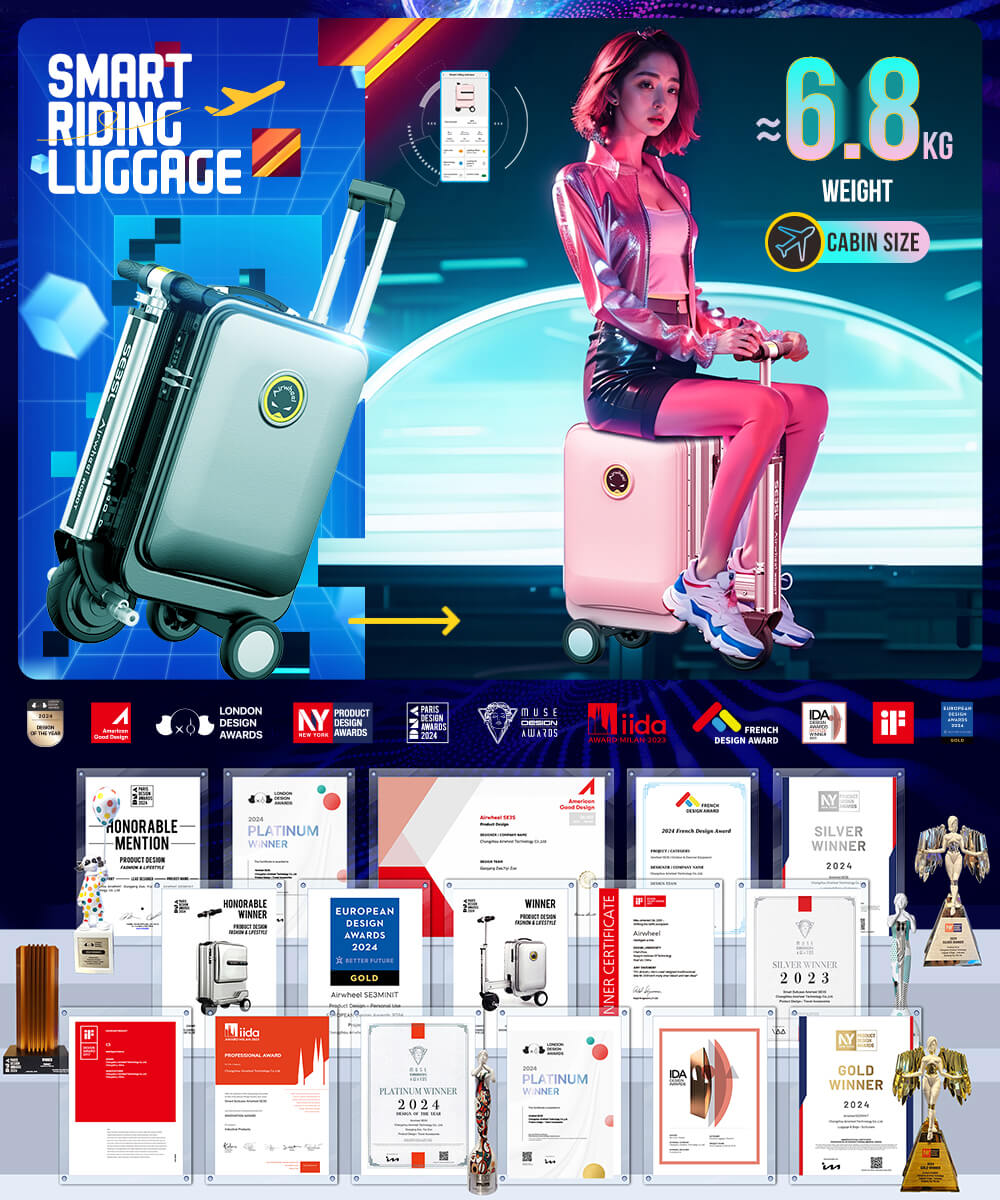
Battery technology represents the most significant area for future improvement. Current lithium batteries provide adequate performance, but emerging technologies promise substantial advances. Solid-state batteries, currently in development, may offer higher energy density, faster charging, and improved safety compared to current lithium technology.
These advances will translate directly into smart travel luggage benefits: longer range, shorter charging times, and potentially reduced weight. As battery technology improves, electric luggage will become even more practical for extended travel scenarios.
| Technology Area | Current State | Future Development |
|---|---|---|
| Battery capacity | Adequate for airport use | Extended range for full-day operation |
| Charging speed | Hours for full charge | Minutes for significant charge |
| Motor efficiency | Good performance | Higher power with lower consumption |
| Smart features | Basic tracking and control | Advanced integration and automation |
| Weight | 6.6-9kg range | Potential reduction to 5kg range |
Future electric luggage models will likely feature expanded smart capabilities. Integration with broader travel ecosystems could enable automatic coordination with flight information, airport navigation systems, and accommodation services. The suitcase might suggest optimal routes through terminals based on real-time crowd data.
Enhanced tracking capabilities may extend beyond Apple Find My to include multi-platform support and more precise location services. Biometric security features could provide access control, ensuring only authorized users can operate the device.
Advanced materials will contribute to weight reduction and durability improvement. Carbon fiber components, advanced polymers, and innovative structural designs may reduce motorized luggage weight while maintaining or improving strength. These advances will make electric luggage even more competitive with traditional options on weight specifications.
Modular designs may allow users to customize their electric luggage for specific needs. Interchangeable components could enable capacity expansion, motor upgrades, or aesthetic customization. This flexibility would extend product lifespan by enabling updates rather than complete replacement.
As production scales increase and technology matures, motorized luggage prices will likely decrease, making the technology accessible to broader market segments. This price reduction will accelerate adoption, potentially transforming electric luggage from premium product to standard expectation.
Market expansion will also bring increased competition, driving innovation and value improvement. Consumers will benefit from more choices, better features, and competitive pricing as the market develops.
Aviation regulations will continue evolving to address electric luggage specifically. Current regulations accommodate the technology under general battery policies, but future regulations may provide standardized frameworks that simplify compliance and ensure consistent treatment across airlines and countries.
The future motorized suitcase may integrate with broader personal mobility ecosystems. Coordination with electric scooters, public transit systems, and ride-sharing services could create seamless door-to-door mobility solutions. The suitcase might serve as one component of a comprehensive personal transportation strategy.
Current motorized suitcase owners can prepare for future developments by maintaining their devices well and staying informed about technology advances. The investment in current electric luggage provides immediate benefits while building familiarity with the technology category. This experience positions users to take advantage of future innovations as they become available.